With a younger, increasingly demanding clientele, real estate agents are urging property owners to renovate their aging assets. Developers, meanwhile, have redoubled their efforts, raising the bar on Monaco’s real estate portfolio by constructing highly luxurious, large-scale properties.
Although Monaco is globally renowned as a bastion of luxury and exclusivity, the reality is that its real estate stock sometimes falls short of this reputation. « There are properties we’re not necessarily proud to show, » admits one industry professional. This candid statement speaks volumes about the quality of some of these residences. Indeed, part of Monaco’s real estate stock was built in the 1970s and 80s, with some even older properties offering visibly aging features. Many lack private parking or elevators, and communal areas often seem outdated.
However, times have changed, and today’s clientele appears increasingly reluctant to make compromises. “Where clients previously accepted older properties to secure residency, today’s clientele, often younger, seeks renovated, modern, high-quality apartments,” observes Eugenia Petrini, head of Petrini Exclusive Real Estate Monaco. This sentiment is echoed by other professionals. “The clientele is indeed more discerning and expects a high standard, comparable to what’s available in Dubai or London. Monaco must maintain this level of excellence,” adds Christian Miceli, managing partner at CM Monaco Real Estate.
Real estate agents advocate for renovation
Real estate agents are thus preaching the need for renewal, increasingly suggesting that owners consider a little—or significant—update to their properties. “Our role as agents is to make owners aware of the benefits of investing in renovations. While more owners are adapting to this demand, some remain hesitant, making it difficult to sell or rent their properties even at reduced prices,” adds Christian Miceli. “Relative to property prices, renovation costs are low and can lead to higher rental rates or easier resale.” Gilles Graille, head of Pacific Agency, adds an economic perspective: “Keeping an apartment in poor condition can attract a less reliable clientele, some of whom may struggle to pay rent. Rent defaults do happen in Monaco, too.”
Renovating Monaco’s Schuylkill complex
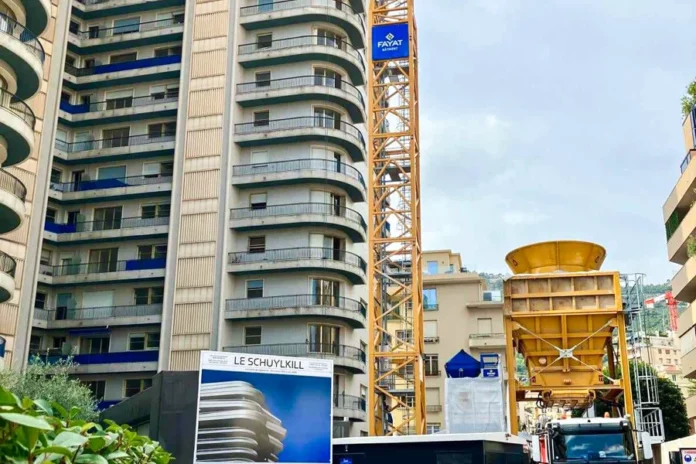
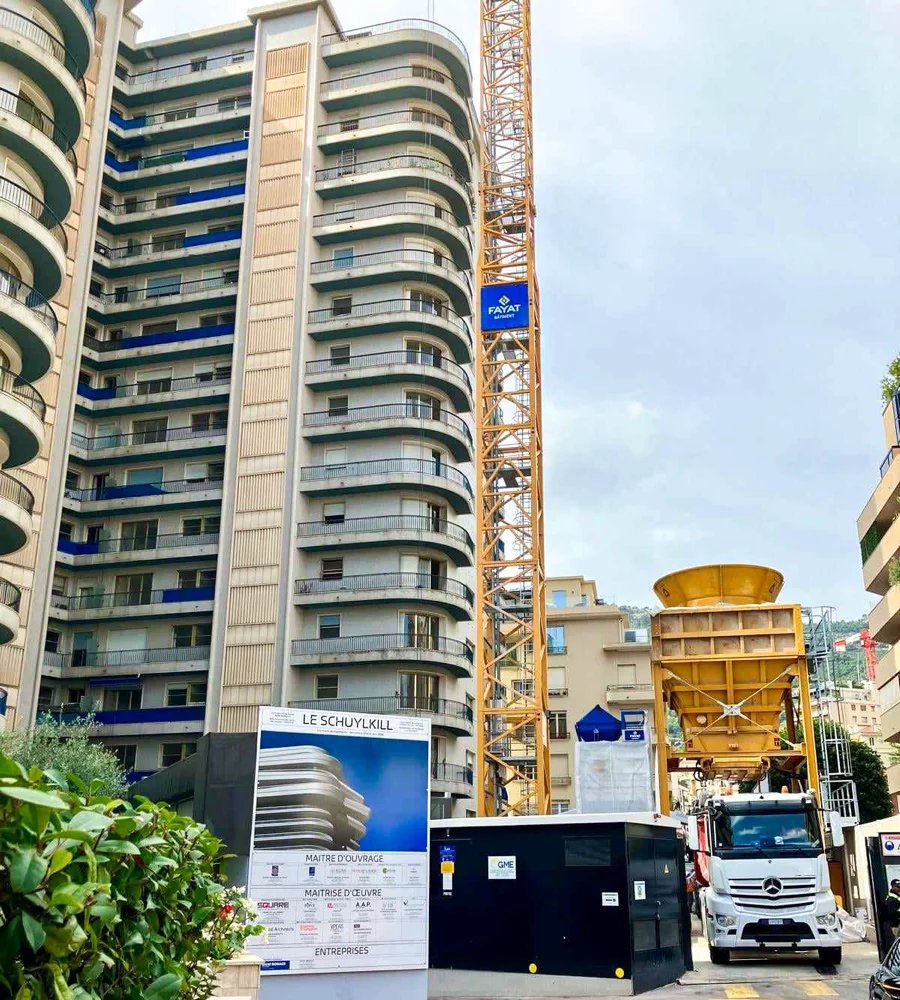
Monaco is entering a new era of modernization, as evidenced by the Schuylkill complex, which is set to undergo 40 months of renovations. This building, erected in 1963, is the first of its scale to be completely renovated, with a budget of over €170 million. Such an extensive overhaul required all tenants to vacate. “The major renovation at Schuylkill and the planned extension of the Beau Rivage building show that Monaco’s real estate is modernizing. Increasingly, renovations include facades as well as communal areas,” confirms Eugenia Petrini.
Duplexes, triplexes, and villas
To meet the demands of a wealthy clientele often dissatisfied with Monaco’s property sizes and standards, real estate developers have gone to great lengths to design and market extra-large properties. The offerings now include penthouses, duplexes, triplexes, and villas spanning several thousand square meters.
Over the past decade, Monaco’s real estate stock has undeniably stepped up a notch. “This trend for very high-end, spacious properties with a minimum of two to four bedrooms, each equipped with a dressing room and en-suite bathroom, began in 2015 with projects like Tour Odéon and 26 Carré d’Or. These properties also offer luxury amenities like pools, gyms, and concierge services,” notes Christian Miceli.
Following these developments, other projects have continued the trend, such as Bay House, scheduled for completion in December 2024, and Mareterra, set to be delivered by the end of 2024. “The Principality lacked large units, and developers targeted this need. Increasingly, residents spend significant time in Monaco and wish to live in comfortable spaces. With ample budgets, they don’t want to compromise on space, as they spend much of their time in these apartments,” concludes Florian Valeri, director of Valeri Agency.
Another positive note for prospective buyers: a new law now requires property traders to ensure all apartments meet updated electrical and energy standards before being sold. This initiative aims to guarantee safety for residents and contribute to the environmental efforts supported by the Monegasque government.
“Renovating a Real Estate Portfolio is a Lengthy, Costly Process”
Insights from Alain Vivalda, President of the Monegasque Real Estate Chamber
Is Monaco’s real estate portfolio still largely outdated?
Renovating a real estate portfolio is a lengthy, costly process, but a significant wave of renovation has been underway for three to four years. Monaco’s real estate is moving past aging, rejuvenating more each day. More owners are engaging in renovations, aware that updates are essential to secure appealing sale or rental prices. Energy transition efforts are also in progress, in close collaboration with the state. With mandatory safety standards, improvements are being made in electrical systems, fire safety, and sound and thermal insulation. State incentives have been crucial in driving this trend and are essential to encourage further renovations.
In terms of energy, how does Monaco’s housing stock compare? Are energy assessments similar to those in France, and are they mandatory?
The French-style Energy Performance Diagnostic (DPE) does not exist in Monaco. We have implemented a diagnostic system for buildings, but not for individual units. Adopting the French DPE system here wouldn’t be practical; this approach has shown its limitations in France, where it could disrupt the real estate market and impose unnecessary constraints on owners and tenants. Additionally, buyer and renter profiles in Monaco differ from those in France. In the Principality, most property owners work with architects, consulting and inspection firms to ensure compliance with standards. As such, energy assessment concerns are not an issue in Monaco.

